
Understanding the psychology behind gambling What drives risk-taking behavior
The Allure of Risk
Risk-taking behavior in gambling is often driven by the thrill of uncertainty. The potential for significant financial gain can create a powerful emotional response, engaging individuals at a deep psychological level. This excitement can overshadow rational thinking, leading players to chase losses or continue playing despite unfavorable odds. Many find that they can amplify their experience with an ice fishing Casino adventure, shedding light on why many individuals are drawn to gambling despite the inherent risks.
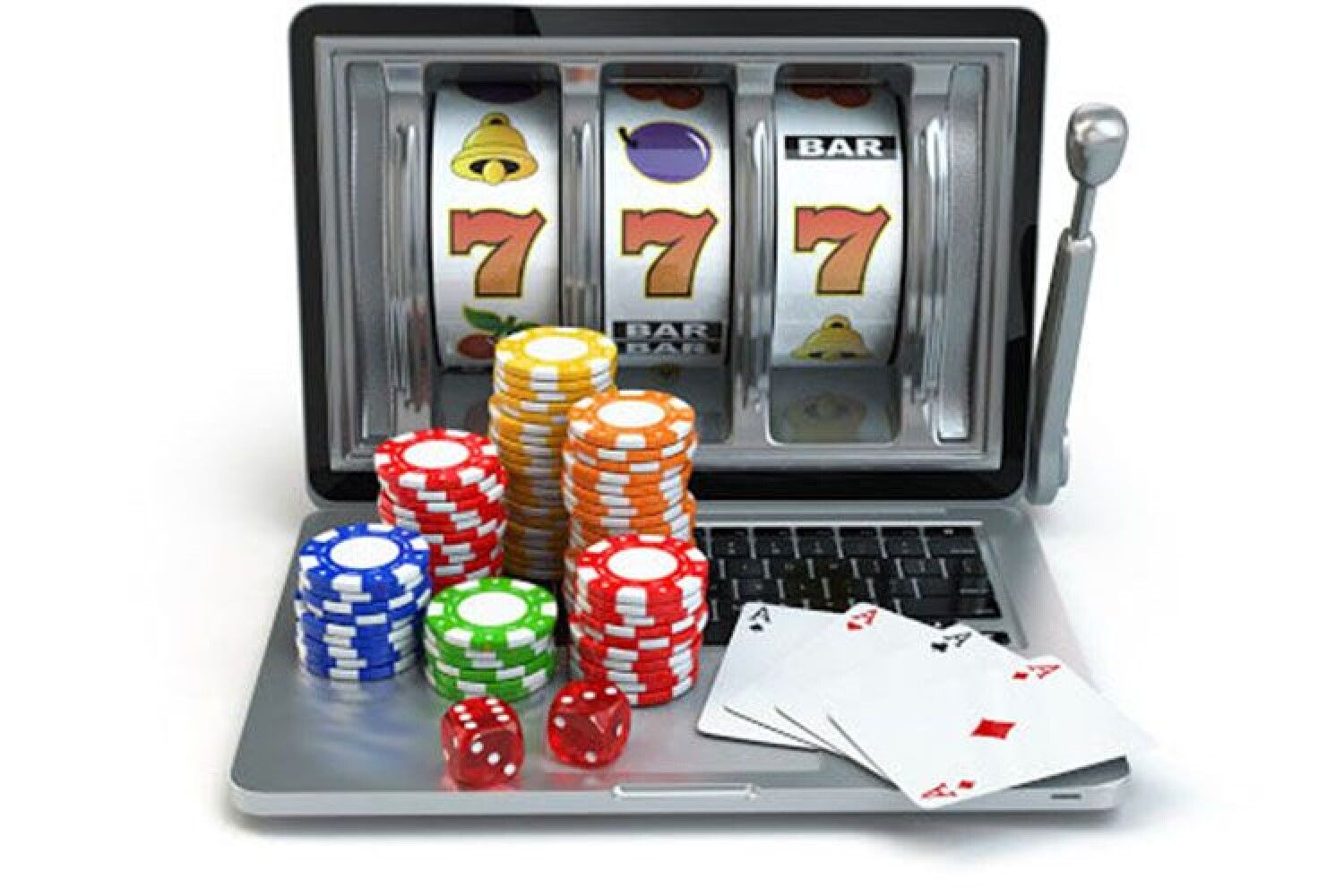
Moreover, the adrenaline rush associated with gambling can be addictive. The brain releases dopamine, a neurotransmitter linked to pleasure and reward, reinforcing the desire to engage in such high-stakes activities. This can create a cycle where the individual continues to gamble in pursuit of the euphoric highs, often ignoring the financial or emotional toll it may take.
Cognitive Biases in Gambling
Cognitive biases play a crucial role in gambling behavior. Many gamblers exhibit the “illusion of control,” believing they can influence the outcome of random events. This mindset can lead players to engage more frequently, as they feel empowered by their choices even when the odds are stacked against them. These biases distort reality and can prevent individuals from recognizing the true nature of chance-based games.
Additionally, gamblers often fall victim to the “gambler’s fallacy,” which is the belief that past events can influence future outcomes. For instance, if a slot machine has not paid out in some time, players may believe it is due for a win. These cognitive distortions can deepen the gambling habit, as individuals continuously rationalize their decisions based on flawed thinking.
Emotional Factors in Gambling
Emotions heavily influence gambling behaviors. Many individuals turn to gambling as a means of coping with stress, depression, or anxiety. The temporary escape that gambling provides can make it appealing, allowing players to detach from their everyday struggles, albeit briefly. Unfortunately, this emotional reliance can lead to a dangerous cycle, where individuals increasingly seek out gambling as a form of solace.
Furthermore, the highs and lows experienced during gambling can evoke strong emotional responses. The euphoric feeling of winning can create a sense of invincibility, while losses may induce feelings of despair. This emotional rollercoaster can entrench individuals deeper into their gambling habits, as they continuously seek the next win to experience that fleeting joy.
Social and Environmental Influences
The social environment surrounding gambling can also significantly affect an individual’s risk-taking behavior. Being in the company of fellow gamblers can amplify the excitement and pressure to participate, often normalizing the behavior. Social cues, such as observing others win, can further encourage individuals to take risks they may otherwise avoid.
Additionally, marketing strategies from gambling companies often play into these social dynamics. Promotions and advertisements can create a sense of urgency and exclusivity, making it difficult for individuals to resist the temptation to gamble. Understanding these external influences can help individuals recognize the factors that may contribute to their gambling behavior.

Exploring the Thrill of Online Gambling
The rise of online gambling has introduced new dimensions to risk-taking behavior. With the convenience of accessing games from home, individuals may find it easier to engage without the social pressures of a physical casino. This anonymity can lead to increased gambling frequency and the potential for deeper emotional and financial ramifications.
Many online platforms offer immersive experiences, from live dealers to interactive games, creating an engaging atmosphere that can captivate players. Such features enhance the overall thrill of gambling, making it imperative for individuals to be aware of their gaming habits and motivations. By understanding the psychology behind their actions, players can better navigate the complexities of the online gambling landscape.
